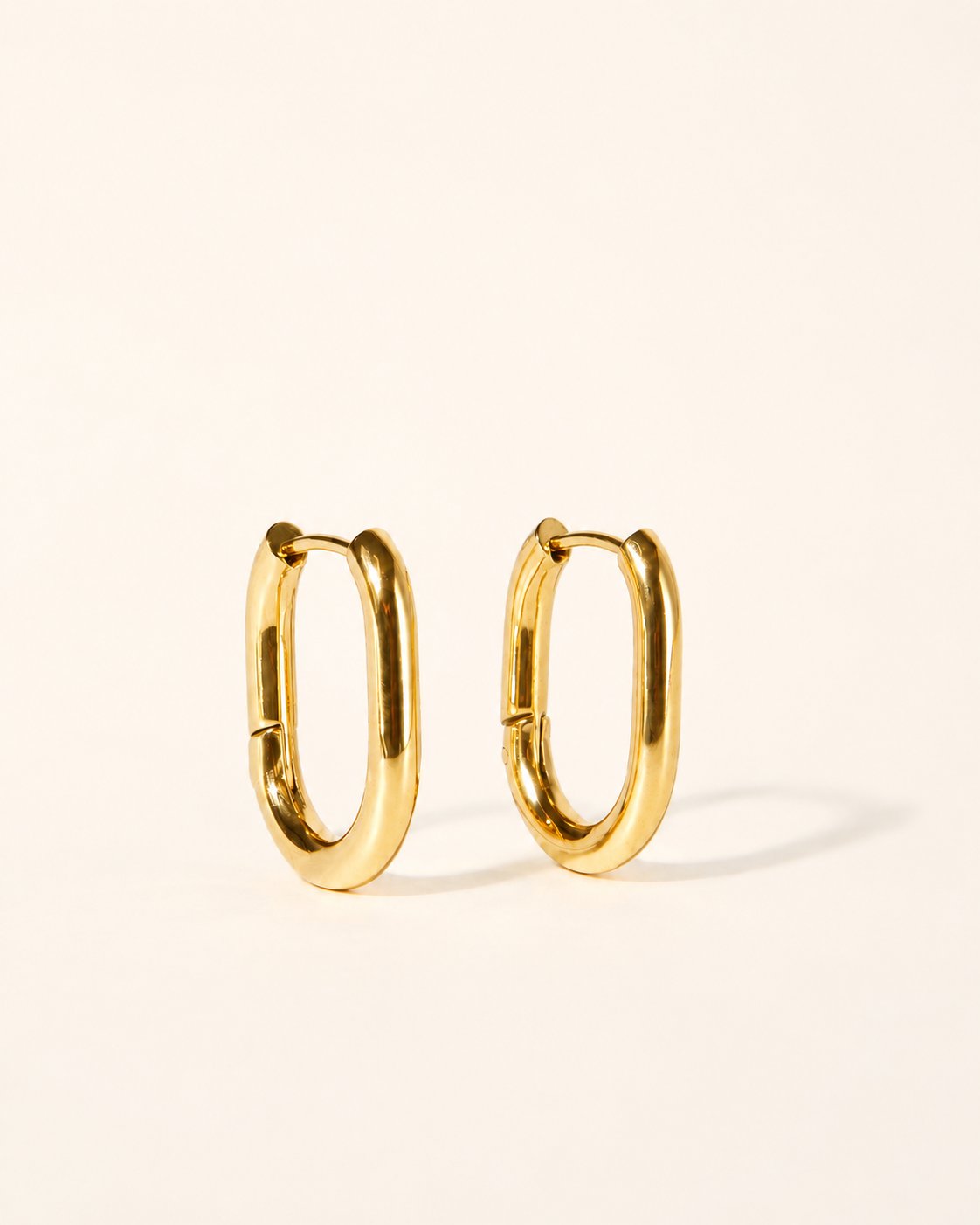
Jewellery labelled “waterproof” is designed to fit into real life: showers, hand washing, workouts, holidays and the occasional downpour. But the phrase can be confusing because it is not one universal jewellery grading system. The material, finish and construction of a piece all affect how well it keeps its colour and shine.
This guide explains what to look for, what waterproof jewellery can reasonably handle and how to care for the pieces you wear on repeat.
What does waterproof jewellery mean?
In everyday jewellery, waterproof usually means a piece is made to tolerate regular contact with water without quickly tarnishing, discolouring or losing its finish. It should be more practical than jewellery that needs to be removed whenever you wash your hands or step into the shower.
That does not make every item sold as waterproof identical. A solid metal, a plated fashion piece and gold-coated stainless steel can behave very differently. Check the base material, the type of finish and the brand’s care and guarantee information rather than relying on the word alone.
Why the base material matters
The metal underneath the colour is important. Stainless steel is widely used for everyday jewellery because it is strong, durable and naturally resistant to corrosion. A well-applied gold finish can then add the warm, polished look people want from gold jewellery.
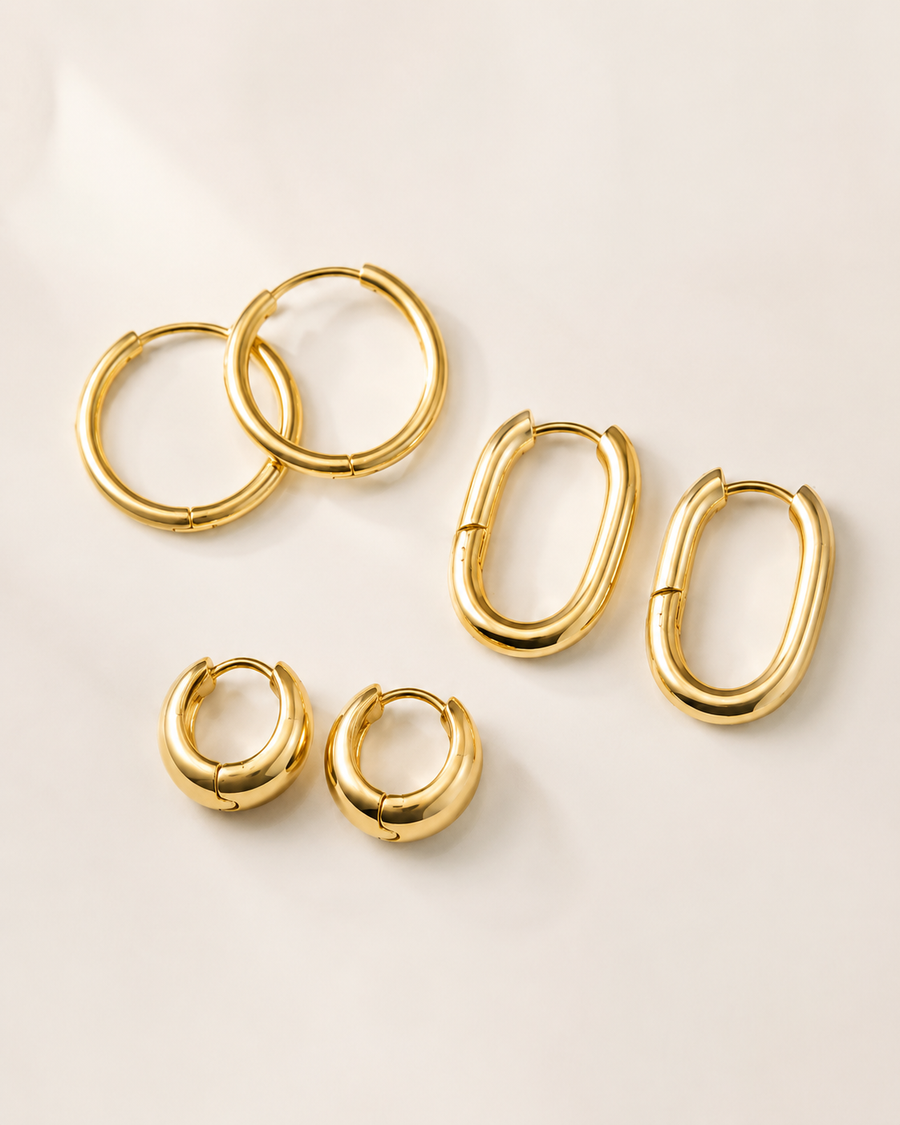
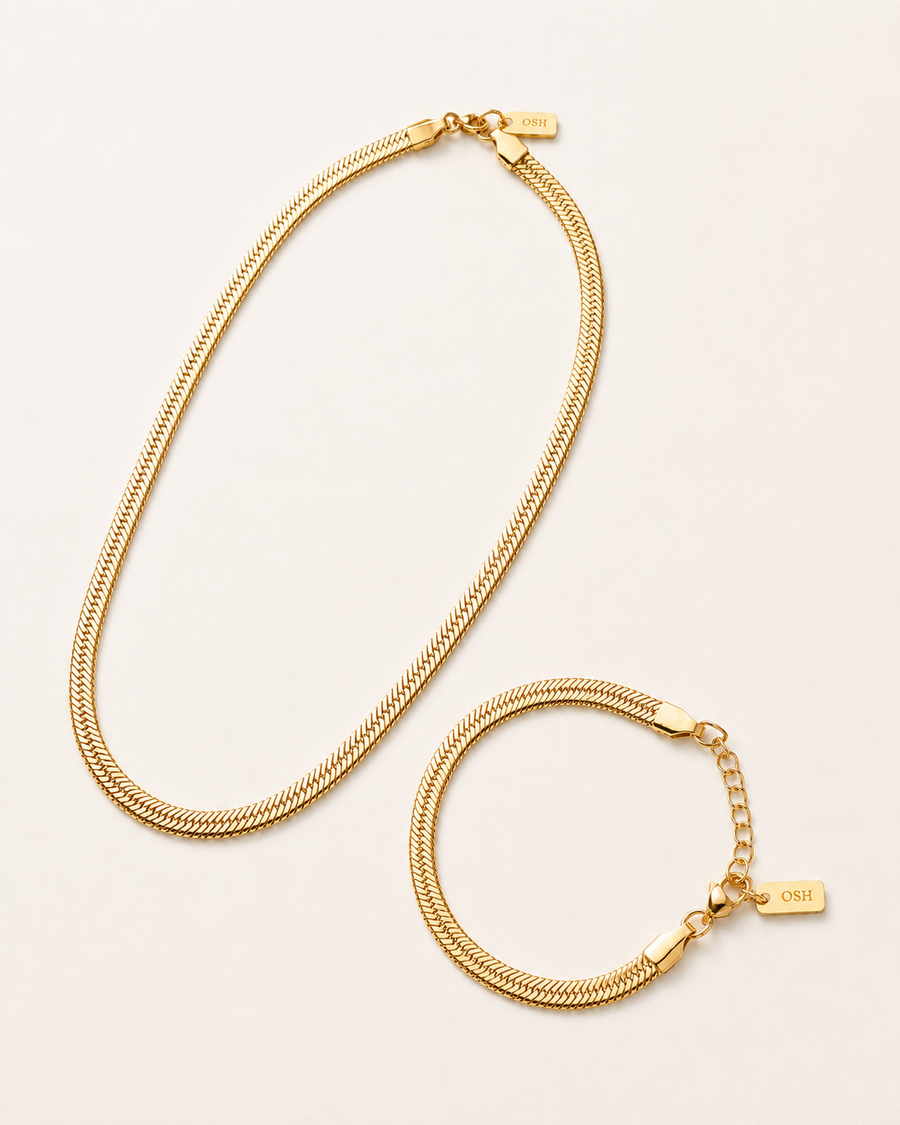
Oh So Heidi’s current jewellery collection uses 18k gold stainless steel and is described as waterproof and tarnish-free. The aim is simple: pieces that can be worn often rather than saved for best. You can explore the full waterproof jewellery collection or read the details on each individual product page before choosing.
Can you shower in waterproof jewellery?
If a product is specifically sold as waterproof, normal contact with fresh water should be part of its intended use. That includes showering and hand washing. It is still sensible to avoid harsh household chemicals, abrasive products and repeated rubbing against rough surfaces.
Swimming pools, sea water, sunscreen and body products can leave residue on any jewellery. After swimming, rinse the piece in clean water and dry it with a soft cloth. This is less about panic and more about preventing build-up, particularly around clasps and small details.
Waterproof and tarnish-free are related, but not identical
Waterproof describes how a piece handles contact with water. Tarnish-free describes its resistance to visible dulling or discolouration over time. A strong everyday piece should address both, but those claims still depend on the material, finish and how the jewellery is treated.
Look for clear information about what the brand promises. Oh So Heidi backs the colour of selected jewellery with a 5 Year Colour Warranty covering colour fading and tarnishing through normal everyday wear, subject to the full terms.
How to care for waterproof gold jewellery
- Rinse after swimming. Clean fresh water helps remove chlorine, salt and sunscreen residue.
- Dry before storing. Use a soft, clean cloth and allow clasps or crevices to dry fully.
- Avoid harsh chemicals. Keep bleach, strong cleaning products and abrasive scrubs away from your jewellery.
- Store pieces separately. This reduces scratching and tangling, especially for necklaces.
- Clean gently. Follow the brand’s instructions instead of using aggressive polishing products.
For the full routine, visit the Oh So Heidi jewellery care guide.
How to choose jewellery for everyday wear
Start with the habits you already have. If you rarely remember to remove jewellery before showering, waterproof construction matters more. If you wear the same pair of earrings for daytime plans and a night out, choose a comfortable fastening and a shape you genuinely like wearing. If you layer chains, check the lengths so the necklaces sit apart.
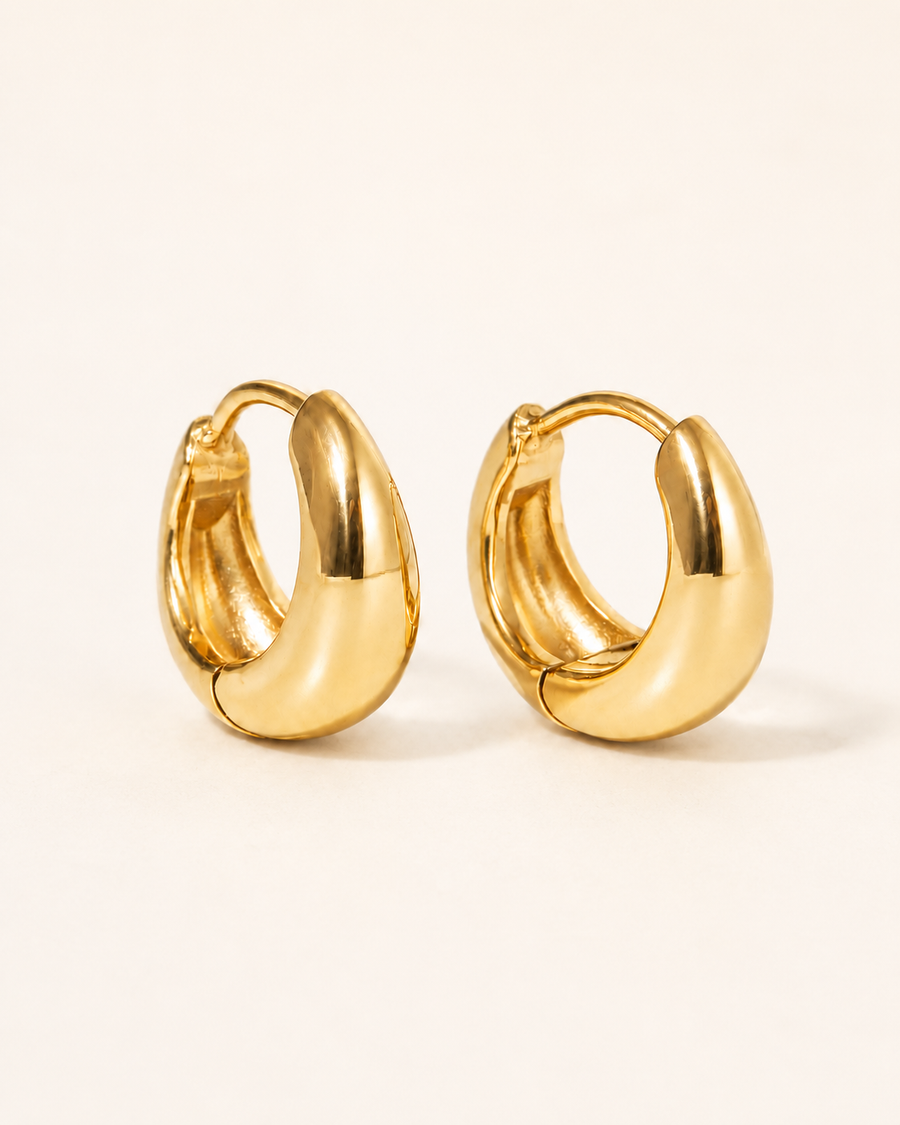
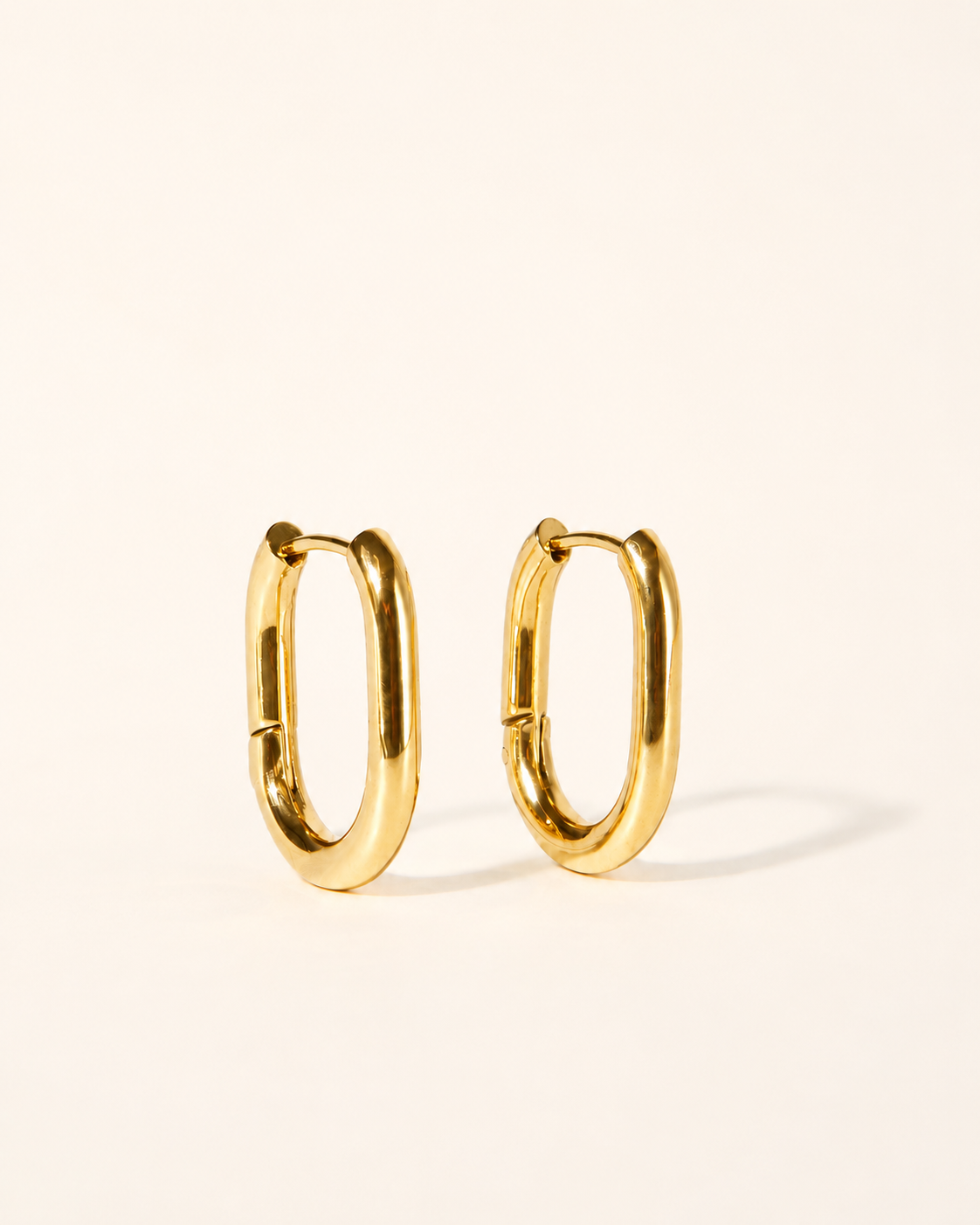
For an easy starting point, browse gold hoops and huggies, waterproof necklaces and waterproof bracelets.
The short answer
Waterproof jewellery should make daily wear easier, but the claim is most useful when it is supported by clear material information, realistic care guidance and a meaningful guarantee. Choose pieces built for repeat wear, look after them gently and check the specific product details rather than assuming every gold-coloured piece performs the same way.